
Fellows’ father, Hank, has been named the 3rd best lawyer in Georgia the last fifteen years by Super Lawyers and is av-rated trial lawyer who was inducted as a Fellow of the American College of Trial Lawyers in 2007. The membership of the College cannot exceed one (1) percent of the total lawyer population of any State. He is listed in both The Best Lawyers in America and Chambers USA for the practice area of Commercial Litigation.
While Fellows was never a good student in high school he excelled in writing and in particular, made a perfect score on both the ACT/SAT essay sections, which is technically harder to do than making a perfect score on both composites. What this means from a psychometric perspective is this:
- Top-tier verbal fluency
- High working memory under time pressure
- Strong retrieval + structuring ability
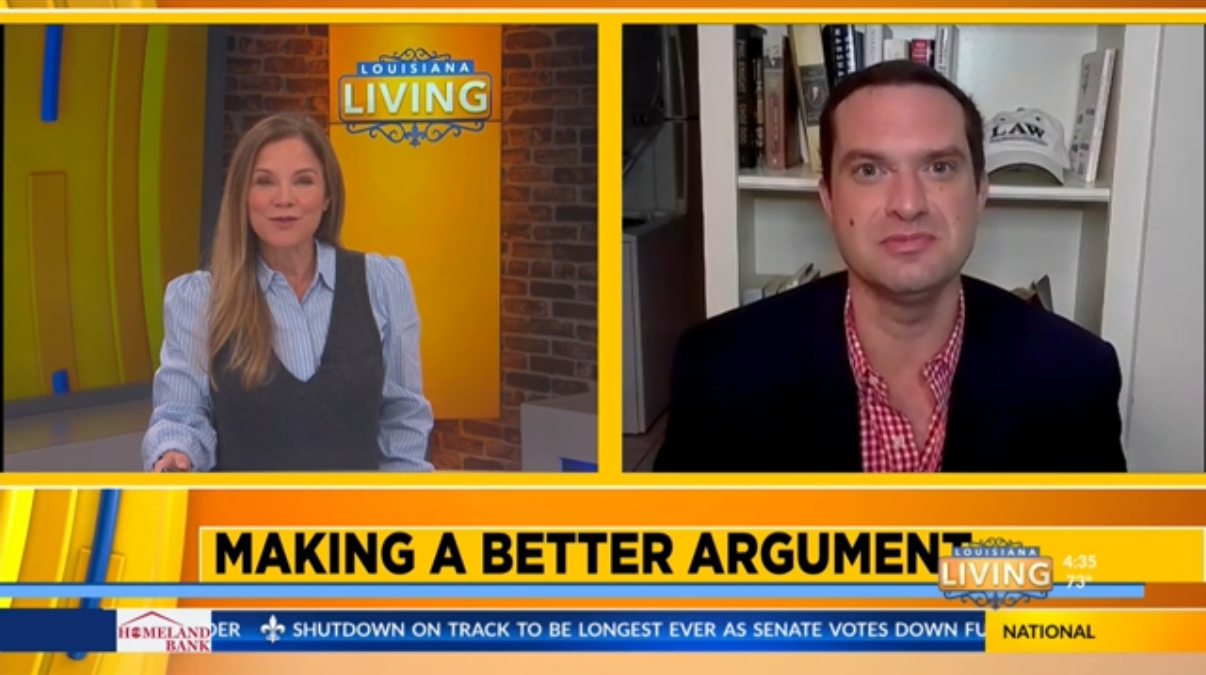
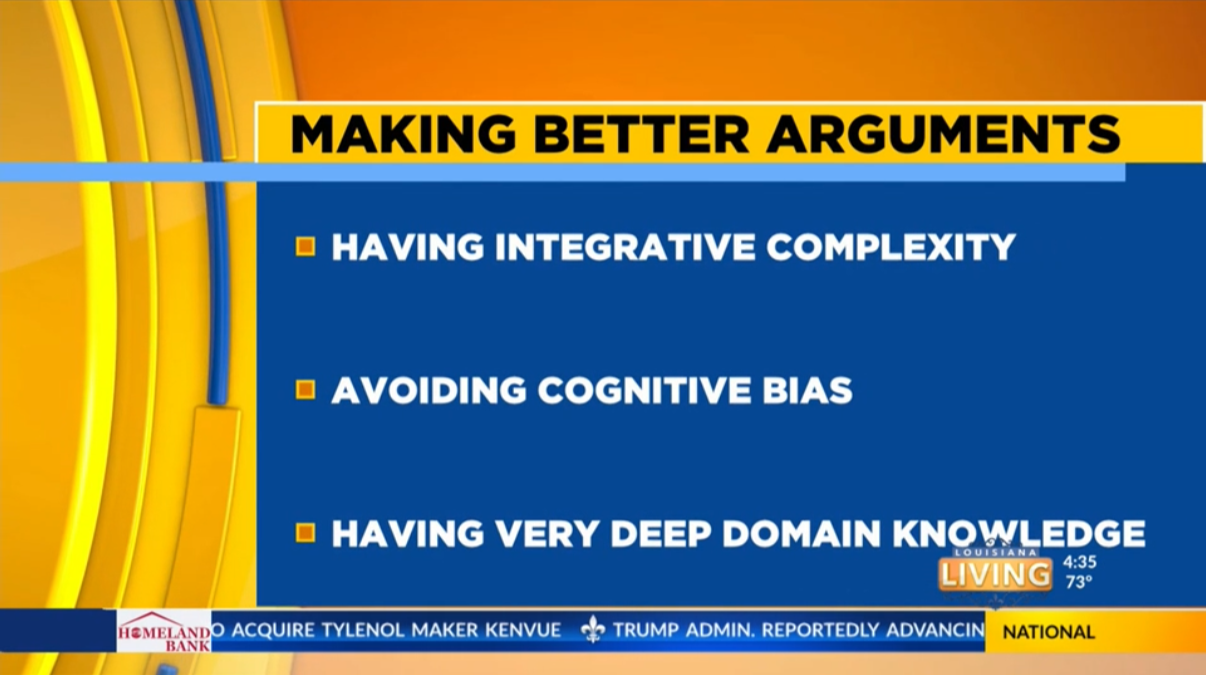
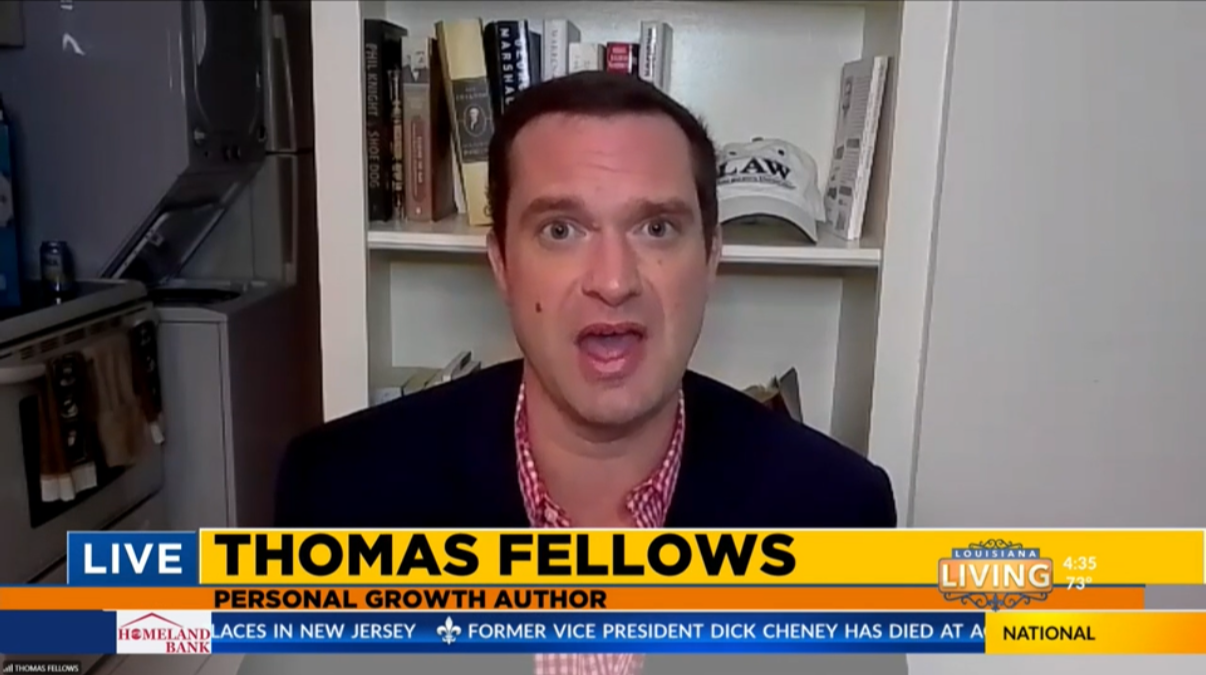
What he understood from an early age is how to make good arguments. In an interview with NBC Monroe, LA in November of 2025, he explained what people need to make the best arguments: having a high degree of integrative complexity, deep domain knowledge, and avoiding cognitive bias.
Making Arguments Interview: Louisiana Living: Thomas Fellows
To reiterate and take it further, making a strong argument is often less about raw intelligence and more about having a high degree of integrative complexity, deep domain knowledge, and the ability to avoid cognitive bias. The strongest arguers can simultaneously evaluate competing perspectives, recognize nuance, and synthesize multiple layers of information rather than collapsing into simplistic or emotionally driven conclusions. Deep expertise allows them to identify hidden variables and second-order effects, while cognitive discipline helps them resist confirmation bias, overconfidence, and the tendency to defend assumptions instead of pursuing truth.
Below are descriptions of what Fellows has said about certain Landmark Supreme Court cases in the last year:
Abortion
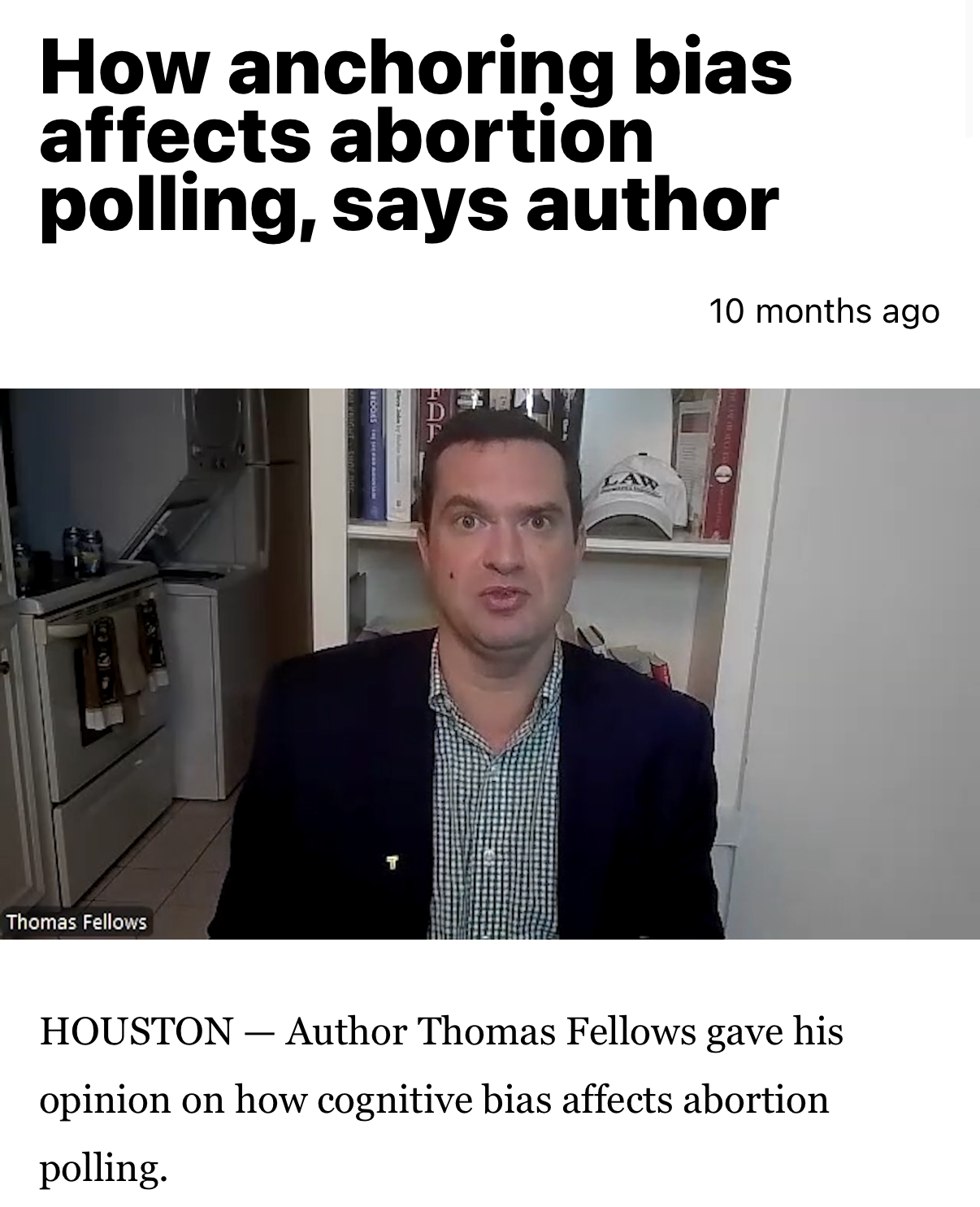
The strongest part of Fellows’ comments was that he approached the issue through psychology, incentives, and unintended consequences rather than pure tribal politics. His use of anchoring bias and references to Daniel Kahneman gave the discussion a behavioral-economics framework that felt more nuanced than typical abortion commentary, while his focus on the economic burdens following Dobbs v. Jackson Women's Health Organization grounded the issue in real-world outcomes rather than ideology alone. Overall, the interview came across less like activist rhetoric and more like an attempt to synthesize psychology, governance philosophy, economics, and social consequences into a middle-ground position with a relatively high degree of integrative complexity.
Abortion Interview: How anchoring bias affects abortion polling, says author | KVEO-TV
Affirmative Action
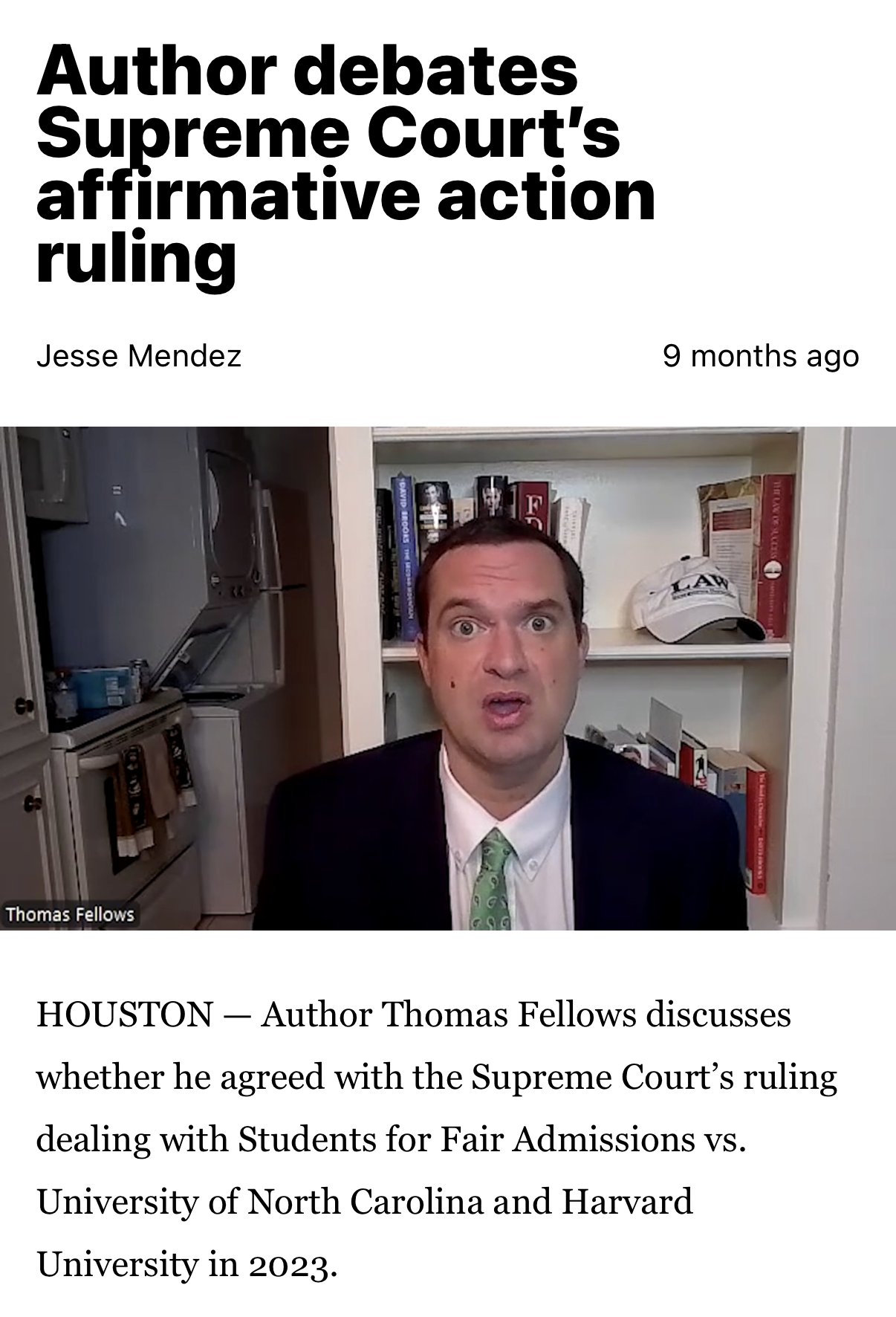
Fellows’ commentary on affirmative action came across as more intellectually layered than most political discussions on the issue because he attempted to reconcile competing principles simultaneously rather than adopting a simplistic ideological posture. By arguing that race-based preferences can themselves be discriminatory while also acknowledging the reality and long-term effects of historical racial injustice, the discussion reflected a relatively high degree of integrative complexity and nuance. His references to history, psychology, culture, and even Get Out gave the interview a multidimensional quality that felt less like partisan activism and more like an attempt to synthesize constitutional principles, ethics, and social outcomes into one broader framework.
Affirmative Action Interview: Author debates Supreme Court’s affirmative action ruling | KVEO-TV
Religious Liberty
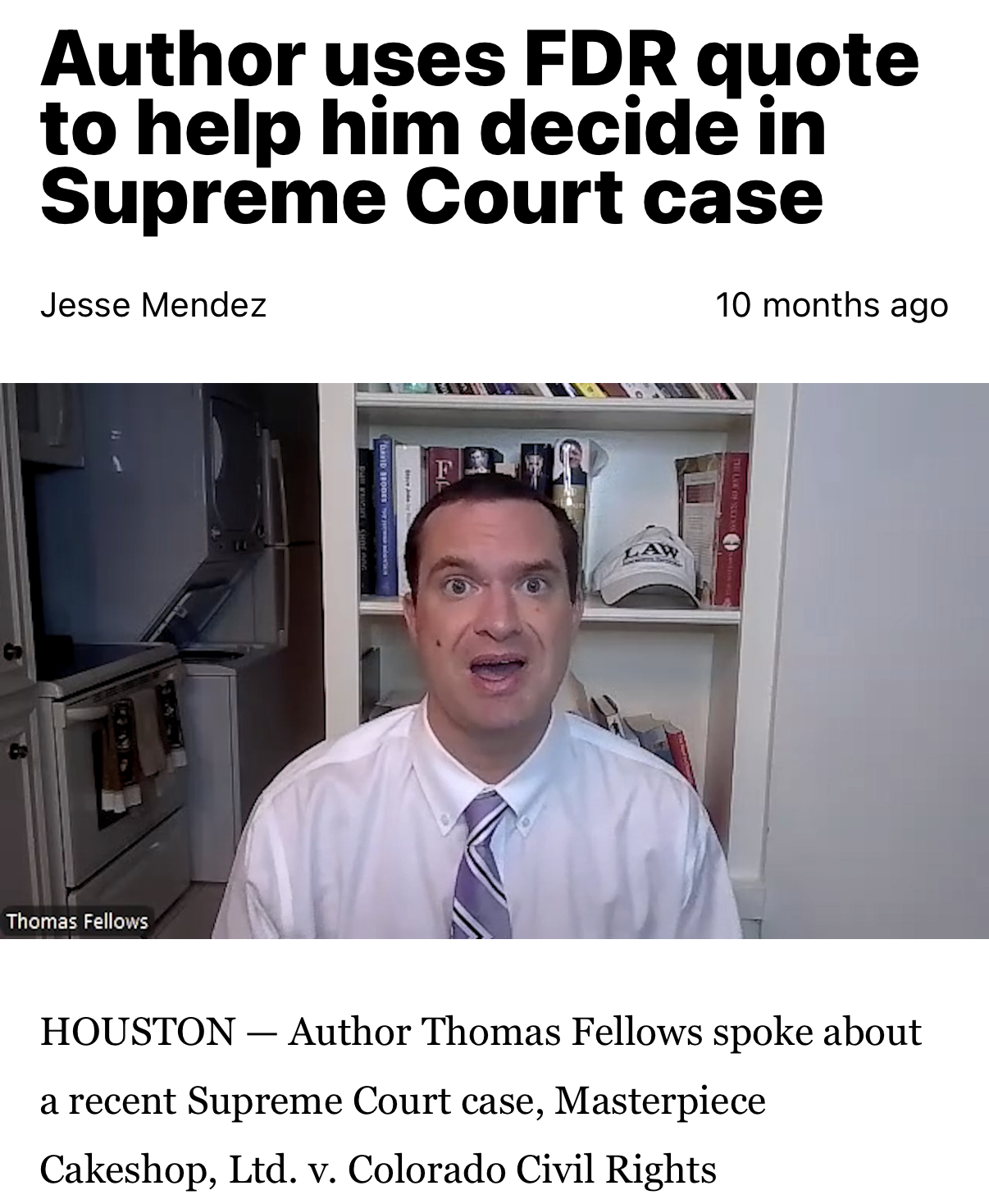
Fellows’ commentary came across as less like a culture-war argument and more like an attempt to balance empathy toward homosexual individuals with constitutional limits on government power and compelled expression. His discussion of the distinction between standardized commercial services and individualized expressive work reflected the core legal tension in Masterpiece Cakeshop v. Colorado Civil Rights Commission, while his broader emphasis on judicial restraint and institutional neutrality gave the interview a more constitutional-philosophy orientation than typical political commentary. Overall, the discussion reflected a relatively high degree of integrative complexity by attempting to synthesize competing values such as religious liberty, anti-discrimination principles, empathy, and limits on state authority into one coherent framework.
Religious Liberty Interview: Author uses FDR quote to help him decide in Supreme Court case | KVEO-TV
Overall Thoughts On Constitution
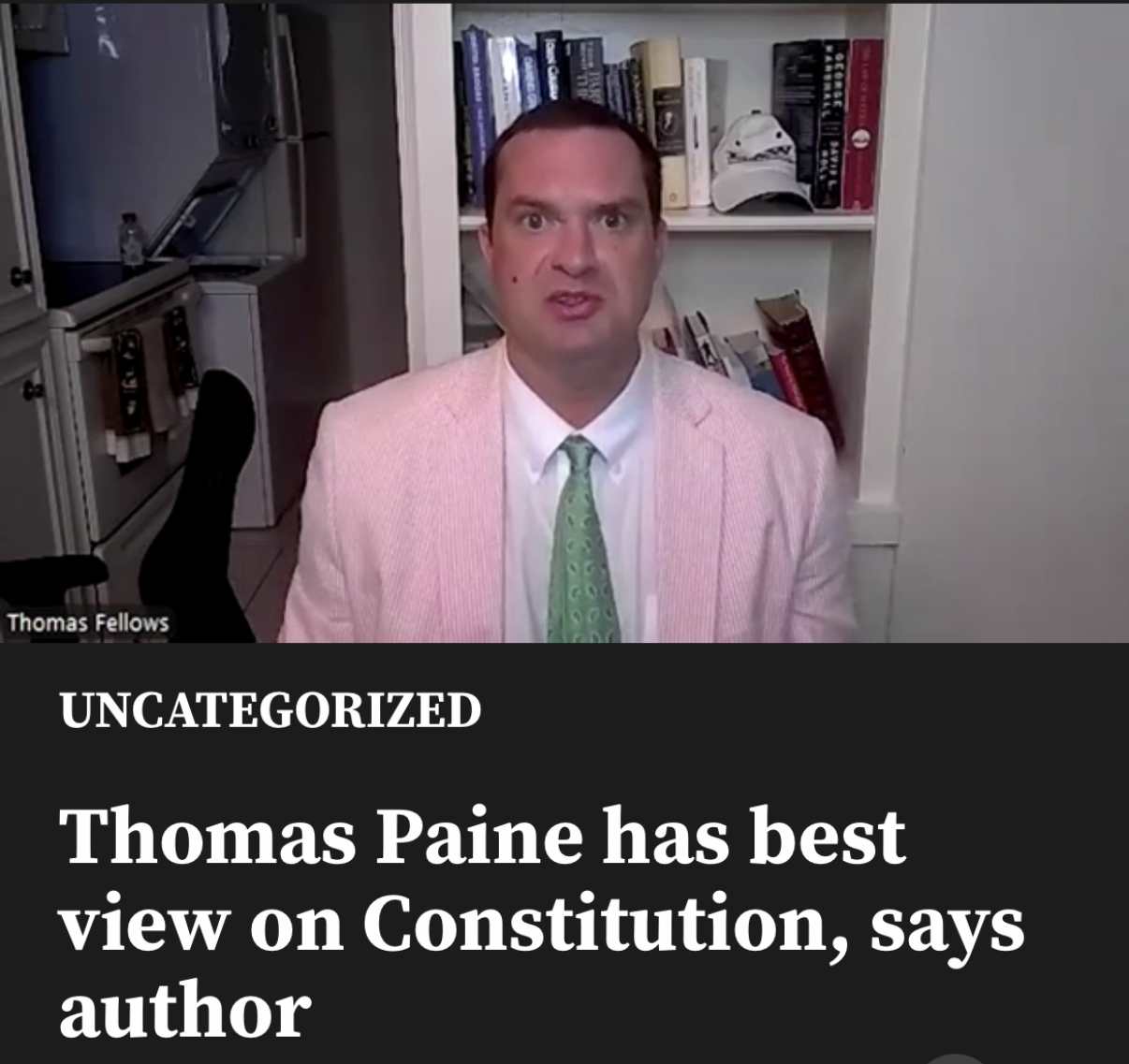
Fellows argued that one of the biggest problems in modern politics is that both parties often act as though more government power is inherently good when their side controls it. To begin this interview, he said that Founding Fathers such as Alexander Hamilton, James Madison, and Thomas Jefferson understood something psychologically important about human nature: power expands, institutions protect themselves, and even well-intentioned government can become dangerous if it lacks restraint. To finish the interview, he quoted another Founding Father, Thomas Paine, “Government, even in its best state, is but a necessary evil; in its worst state, an intolerable one.” Fellows also added, “If I ever became president, this quote sums up how I would run the federal government.”
Overall thoughts on the Constitution: Thomas Paine has best view on Constitution, says author | KVEO-TV
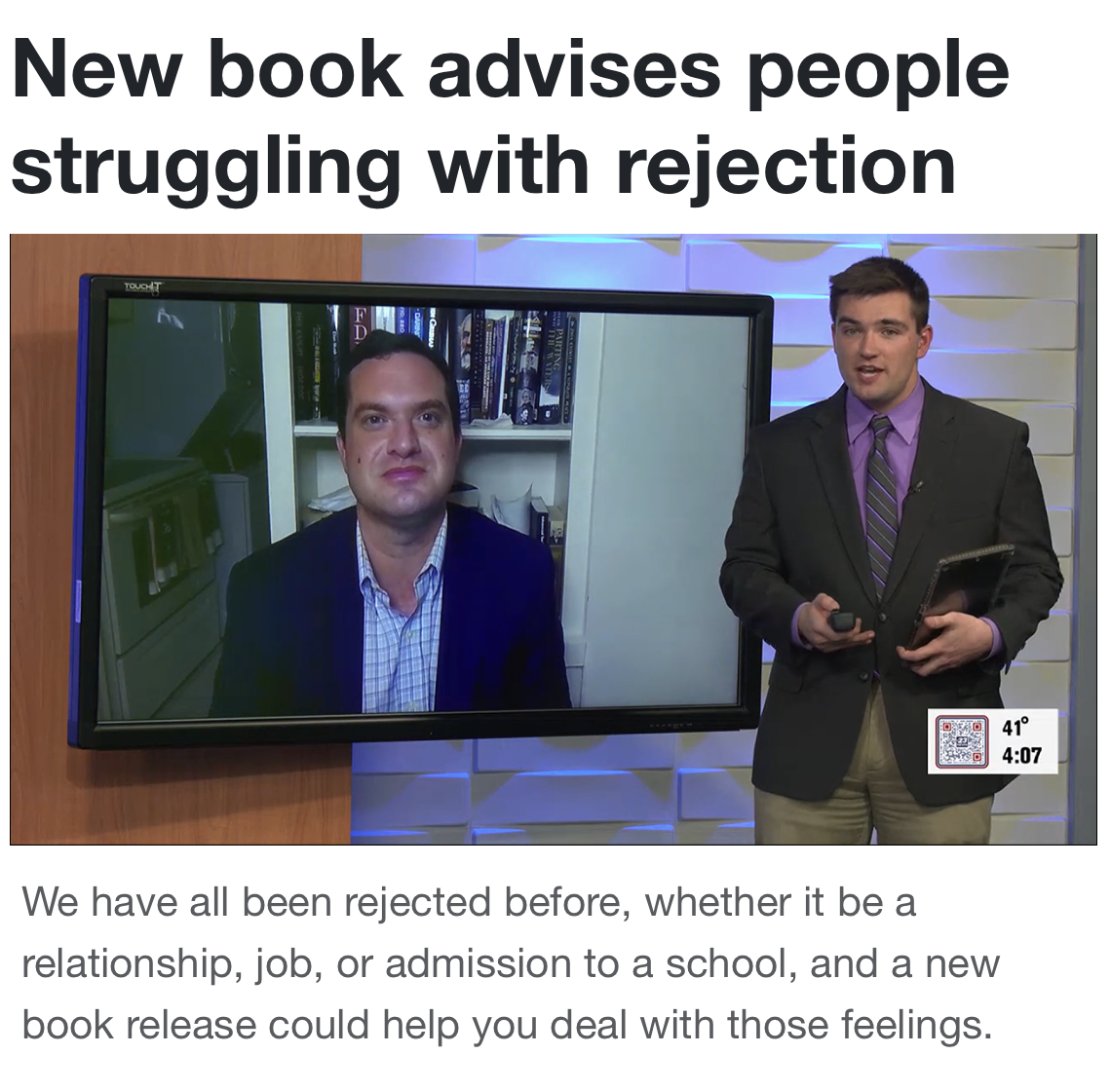
But, getting back to how to make good arguments. Remember this quote from my Chapter 4 from my 6th book, Alone at the Lunch Table: How to Rise from Rejection
“How do you start winning more arguments? I’ll give you this one tip: when you find yourself losing an argument, the faster you denounce your stance and admit you’re wrong, the more arguments you will win in the future. The reason for this is your thinking will be sharper and you won’t find yourself making the same mistake or succumbing to the same fallacy in a future argument.” – CHAPTER 4
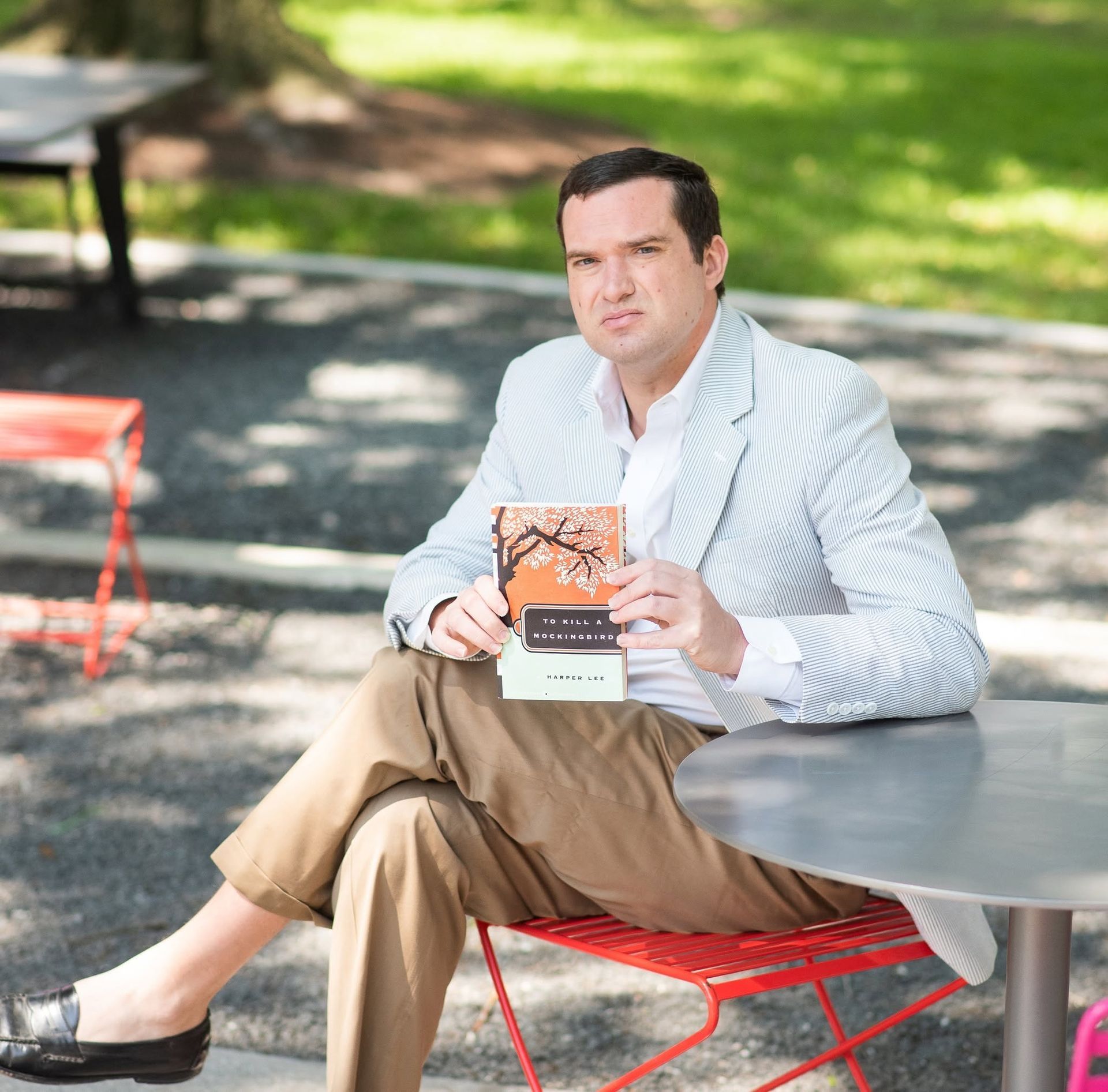
Another quote from Chapter 17 from To Kill a Mockingbird by Harper Lee to remember:
“I was becoming nervous. Atticus seemed to know what he was doing - but it seemed to me that he'd gone frog-sticking without a light. Never, never, never, on cross-examination ask a witness a question you don't already know the answer to, was a tenet I absorbed with my baby-food. Do it, and you'll often get an answer you don't want, an answer that might wreck your case.”